

How to Choose the Best Watch Winder in 2026 (And 5 Mistakes to Avoid)
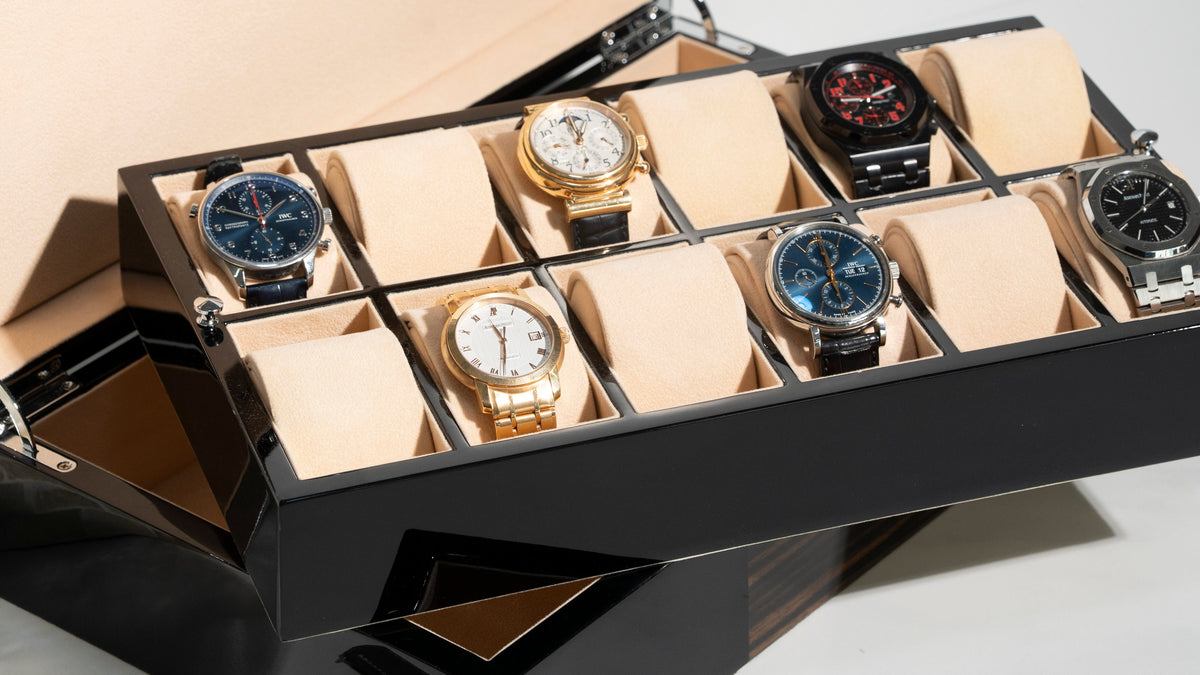
For automatic watch enthusiasts across the United States, a mechanical timepiece is more than a way to track the hours—it is a study in precision micro-mechanics, personal style, and horological heritage. Whether your collection centers around a stainless-steel Rolex Submariner, an Omega Seamaster, or an intricate perpetual calendar from Audemars Piguet, keeping those movements energized requires careful attention.
As multi-piece collections become the standard for American collectors, the daily chore of hand-winding, setting the time, and recalibrating complex date disks can quickly turn a passionate hobby into an inconvenient routine.
That is why selecting the best watch winder in 2026 is one of the smartest investments you can make for your horological rotation. However, with thousands of generic, mass-produced winder boxes flooding the US market, choosing a unit that preserves your movements—rather than stressing them—requires knowing exactly what to look for.
In this guide, we break down the vital features of modern high-end watch winders and examine the five critical mistakes you must avoid to keep your mechanical calibers running in peak condition.
What Makes an Automatic Watch Winder Essential?
An automatic (self-winding) mechanical watch relies on a weighted rotor that pivots with your wrist’s natural motion, winding the mainspring to store kinetic energy. When a watch sits dormant in a valet tray or safe for more than its typical 38-to-70-hour power reserve, the mainspring winds down and the movement stops.
While letting a simple three-hand watch wind down occasionally is harmless, a quality winder offers distinct benefits:
-
Eliminates Constant Crown Wear: Every time you unscrew a threaded crown to wind or set a stopped watch, you introduce friction to the delicate crown-tube threads and rubber water-resistance gaskets.
-
Protects Complex Complications: Timepieces with moonphases, annual calendars, GMT hands, or perpetual complications demand tedious, delicate resets. Forcing quick-set functions when internal gears are in transition can cause costly gear tooth damage.
-
Maintains Lubricant Distribution: Modern synthetic watch oils (such as Moebius oils) resist gumming, but gentle, periodic movement ensures oils stay distributed evenly across jewels, escapement points, and pinions.
-
Instant Grab-and-Go Convenience: For collectors balancing busy work schedules, domestic flights, or dynamic weekend plans, a winder guarantees your piece is wound, set, and ready to wear immediately.
5 Critical Mistakes to Avoid When Buying a Watch Winder
Navigating the winder market can be tricky. Many entry-level winders look sleek in stock photos but harbor design flaws that can harm delicate calibers over time. Here are the top five pitfalls to avoid:
1. Buying Winders with Unshielded Electric Motors
The biggest hidden danger in low-cost winders is magnetic field exposure. Electric motors generate electromagnetic fields as they spin. If the motor is placed directly beneath the watch cradle without magnetic shielding, those fields can magnetize your timepiece's balance hairspring.
Once magnetized, hairspring coils stick together, causing your watch to run fast by minutes—or even hours—per day. The best watch winders feature isolated motor chambers and specialized multi-layer shielding to ensure zero stray magnetism reaches the movement.
2. Choosing Non-Programmable or Continuous-Spin Units
A common myth is that winders run 24 hours a day without stopping. Real wrist movement is intermittent, and automatic movements are designed with a slipping clutch mechanism to prevent over-winding. However, keeping that bridle spring slipping constantly under non-stop motorized rotation causes unnecessary wear on the mainspring barrel wall.
Never buy a winder that lacks a programmable duty cycle. High-grade winders rotate for a preset number of turns, then enter a sleep mode for hours to allow the mainspring to rest naturally.
3. Overlooking Directional Rotation Requirements
Not all automatic calibers wind the same way:
-
Bidirectional: Many modern calibers (such as Rolex Caliber 3235 or Omega Co-Axial 8900) wind smoothly in both clockwise and counter-clockwise directions.
-
Unidirectional (Clockwise or Counter-Clockwise): Iconic movements like the Valjoux 7750 chronograph movement only wind when rotating clockwise; turning them counter-clockwise simply free-spins the rotor without adding power.
If your winder cannot be set to clockwise, counter-clockwise, and alternating bidirectional modes, you risk placing a unidirectional watch on a setting where it fails to charge at all.
4. Settling for Loud, Grinding Motors
Nothing ruins the ambiance of an executive home office, primary bedroom suite, or dressing room like the rhythmic humming or whining of a cheap nylon gearbox. Budget motors typically degrade rapidly, becoming noticeably loud within months. Demand whisper-quiet Japanese Mabuchi motors or brushless direct-drive mechanisms engineered to operate at decibel levels below 10dB—virtually imperceptible in a quiet room.
5. Using Rigid or Ill-Fitting Watch Cushions
Many generic winders feature stiff plastic clips designed around an arbitrary watch size. If you have smaller wrists (under 6.5 inches), forcing your bracelet onto an oversized rigid holder can stretch metal links or crack delicate leather straps. Conversely, heavy 44mm+ sports watches on loose pillows can wobble, rub against the glass door, or slip during rotation. Insist on flexible, high-density memory foam cushions that adapt to wrist sizes ranging from 34mm dress watches to oversized chronographs.
Key Features Checklist: How to Evaluate the Best Watch Winder in 2026
When evaluating units to protect your investment, use this essential comparison table as your benchmark:
| Feature | Low-Cost Generic Winders | Premium Collector-Grade Winders |
| Motor Type | Unbranded, loud nylon gearboxes | Japanese Mabuchi / Brushless ultra-quiet motors (<10 dB) |
| Magnetic Protection | Little to none; unshielded motors | Multi-layered anti-magnetic shielding plates |
| TPD Settings | Fixed single speed (often excessive) | Fully customizable Turns Per Day (650 to 1,000+ TPD) |
| Directional Control | Single direction or uncalibrated | Clockwise, Counter-Clockwise, and Bidirectional |
| Cushion Ergonomics | Rigid plastic spring clamps | Adaptive plush memory foam / non-abrasive lining |
| Power System | Cheap non-grounded wall wart | Standard US 110V/120V AC adapter + Battery backup |
| Build Materials | Plastic laminates and cheap veneers | Solid wood frames, piano lacquer, and genuine leather |
Why US Collectors Choose BezelHold Watch Winders
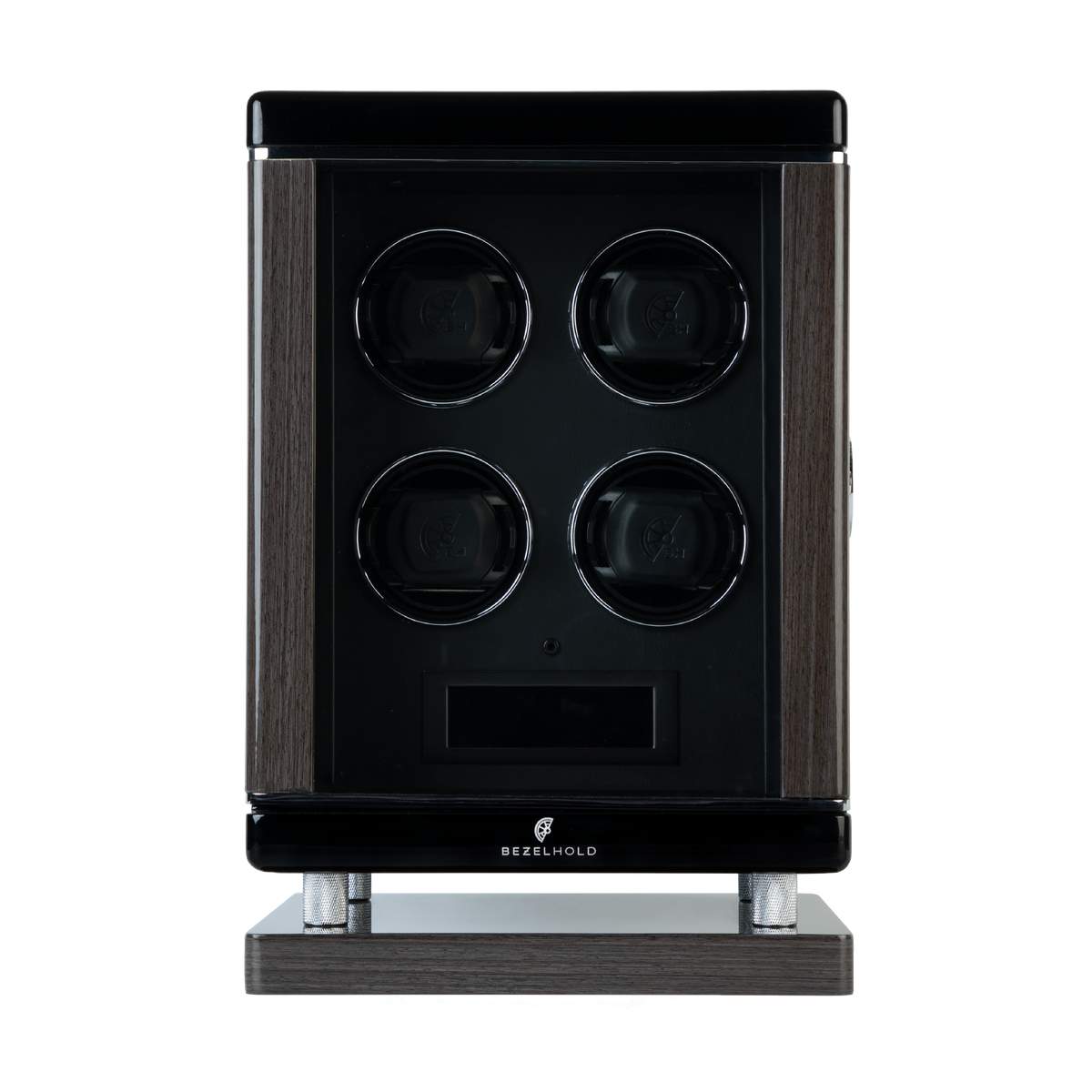
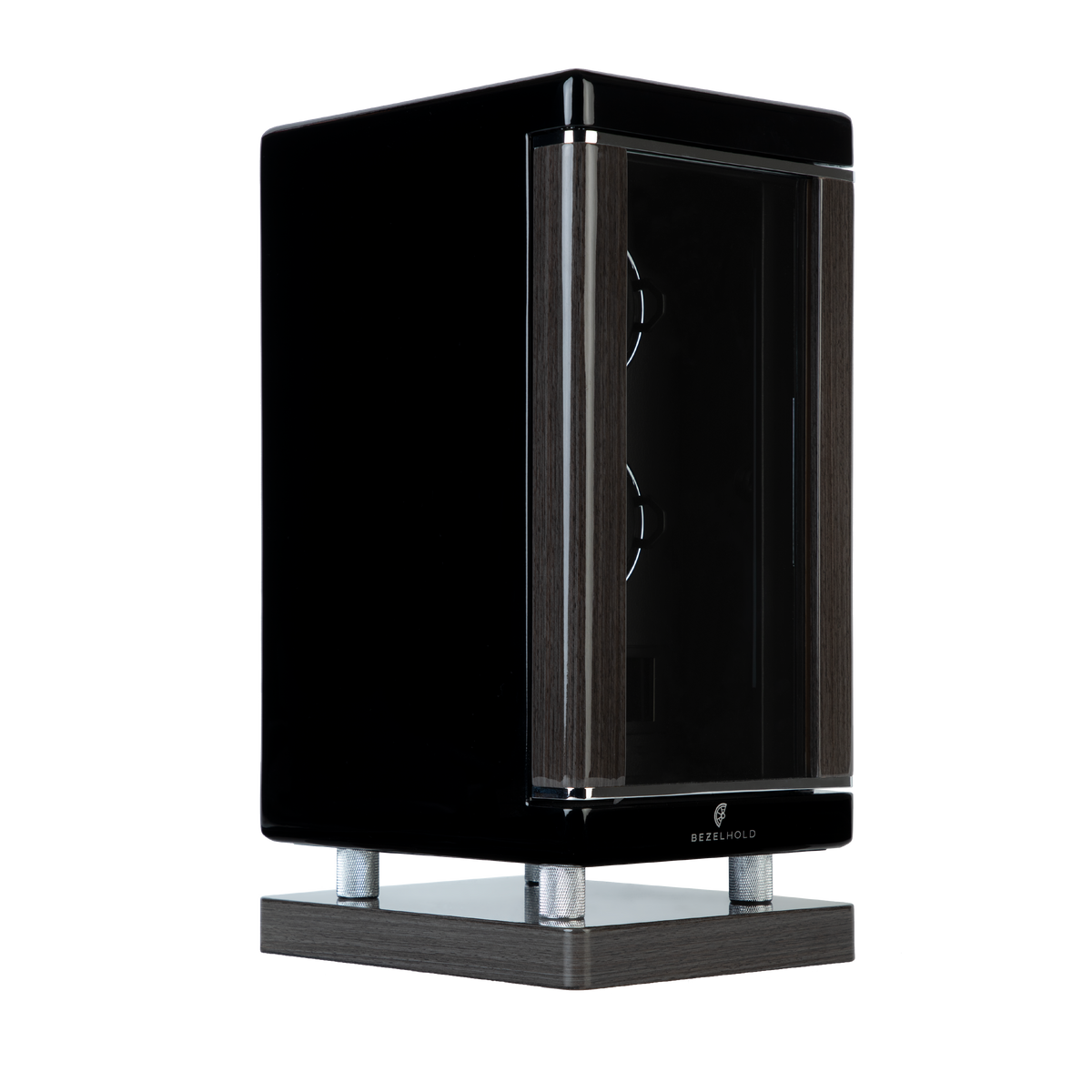
If you are searching for a system that marries fine furniture design with horological safety, the curated lineup of BezelHold Watch Winders sets the standard for American watch collectors.
Rather than mass-producing generic black plastic boxes, BezelHold builds each winder as an extension of luxury watchmaking itself:
-
Engineered for Silence: Outfitted with Japanese Mabuchi motor assemblies, BezelHold winders run so quietly they can sit directly on your bedside nightstand without interrupting your sleep.
-
Tailored Calibration: Featuring intuitive digital controls, each rotor can be dialed into the exact TPD and directional specifications recommended by your watch’s manufacturer.
-
Comprehensive Movement Protection: Heavy-gauge magnetic shielding ensures your balance spring remains unaffected, preserving chronometer-grade accuracy.
-
Luxurious Fit and Finish: Hand-buffed high-gloss lacquers, tempered glass viewing portals, and soft, modular watch cushions create a museum-grade display for your favorite pieces.
Whether you need a dedicated single winder for your signature everyday piece or a modular multi-watch cabinet capable of supporting an expansive luxury collection, BezelHold delivers the performance, protection, and craftsmanship your watches demand.
Invest in Your Collection’s Future
Your luxury timepieces represent milestones, personal achievements, and a passion for mechanical brilliance. They should not be kept in unshielded, grinding boxes that risk damaging their internal calibers.
Choosing the best watch winder in 2026 comes down to three factors: silent reliability, customized programming, and complete magnetic safety. Avoid the common pitfalls of budget models and give your watches the care they deserve.
Explore the complete range of precision-crafted single, double, and multi-rotor options at BezelHold's Watch Winder Collection today.

Commenta
Questo sito è protetto da hCaptcha e applica le Norme sulla privacy e i Termini di servizio di hCaptcha.