

What Is a Watch Roll vs. a Watch Box? 5 Key Differences Explained
For any watch collector, the thrill of the hunt is only half the journey. Acquiring a vintage chronograph, a rugged diver, or a sleek dress watch brings immense satisfaction, but it immediately introduces a new challenge: how do you properly store and protect these mechanical marvels when they aren’t on your wrist?
As your collection grows beyond a single daily wearer, you will inevitably encounter the two most popular storage solutions on the market: the watch roll and the watch box. While both serve the fundamental purpose of keeping your timepieces safe, they cater to entirely different lifestyles, needs, and aesthetic preferences.
If you find yourself torn between these two options, understanding their distinct advantages is crucial. Here are the five key differences between a watch roll and a watch box to help you make the right choice for your collection.
What is a Watch Box?
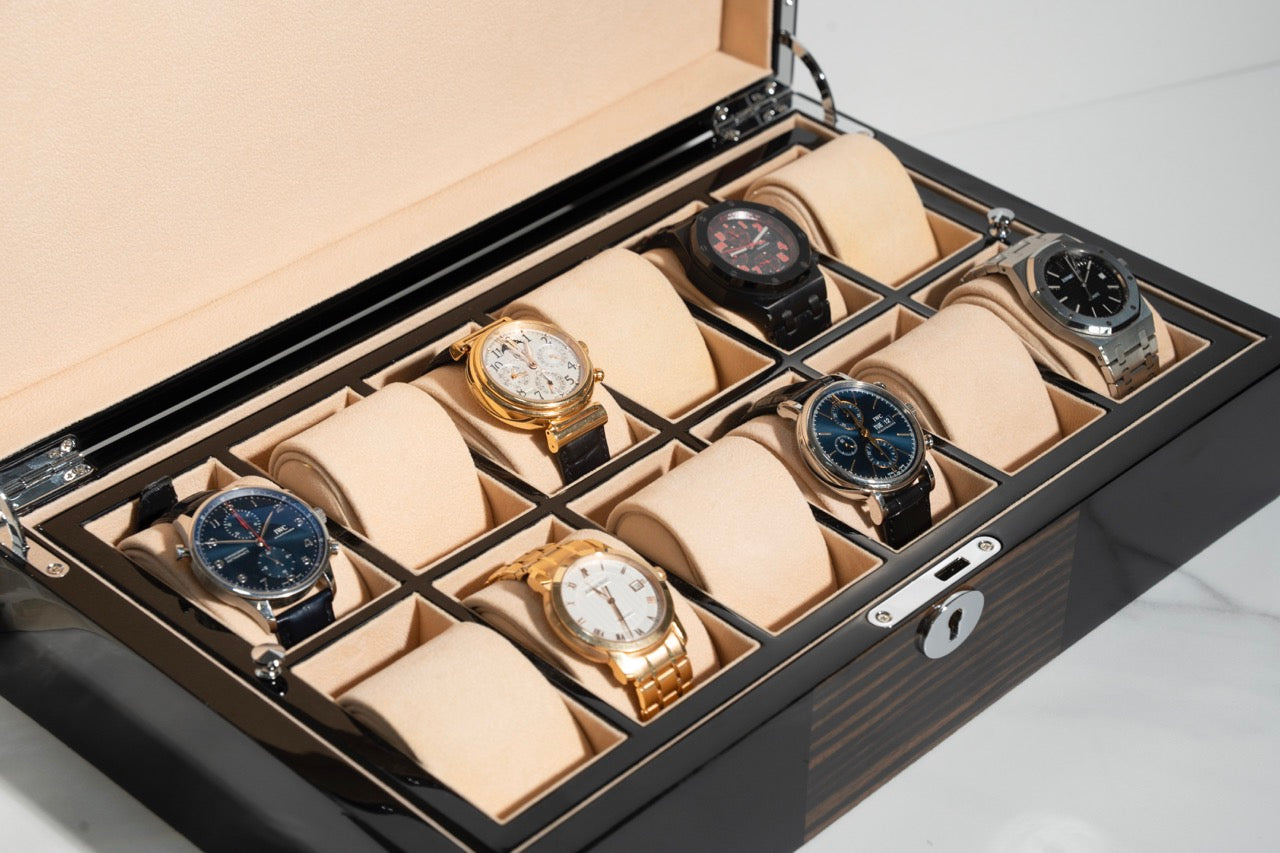
A watch box is the traditional cornerstone of watch storage. It is typically a rigid, rectangular chest made from wood, leather, or carbon fiber, designed to sit permanently on a dresser, desk, or inside a safe. Inside, it features individual compartments—often ranging from 4 to 12 slots, or even more—each containing a soft cushion for a watch to wrap around. Many watch boxes feature a glass display top, allowing the collector to admire their timepieces without opening the lid.
What is a Watch Roll?
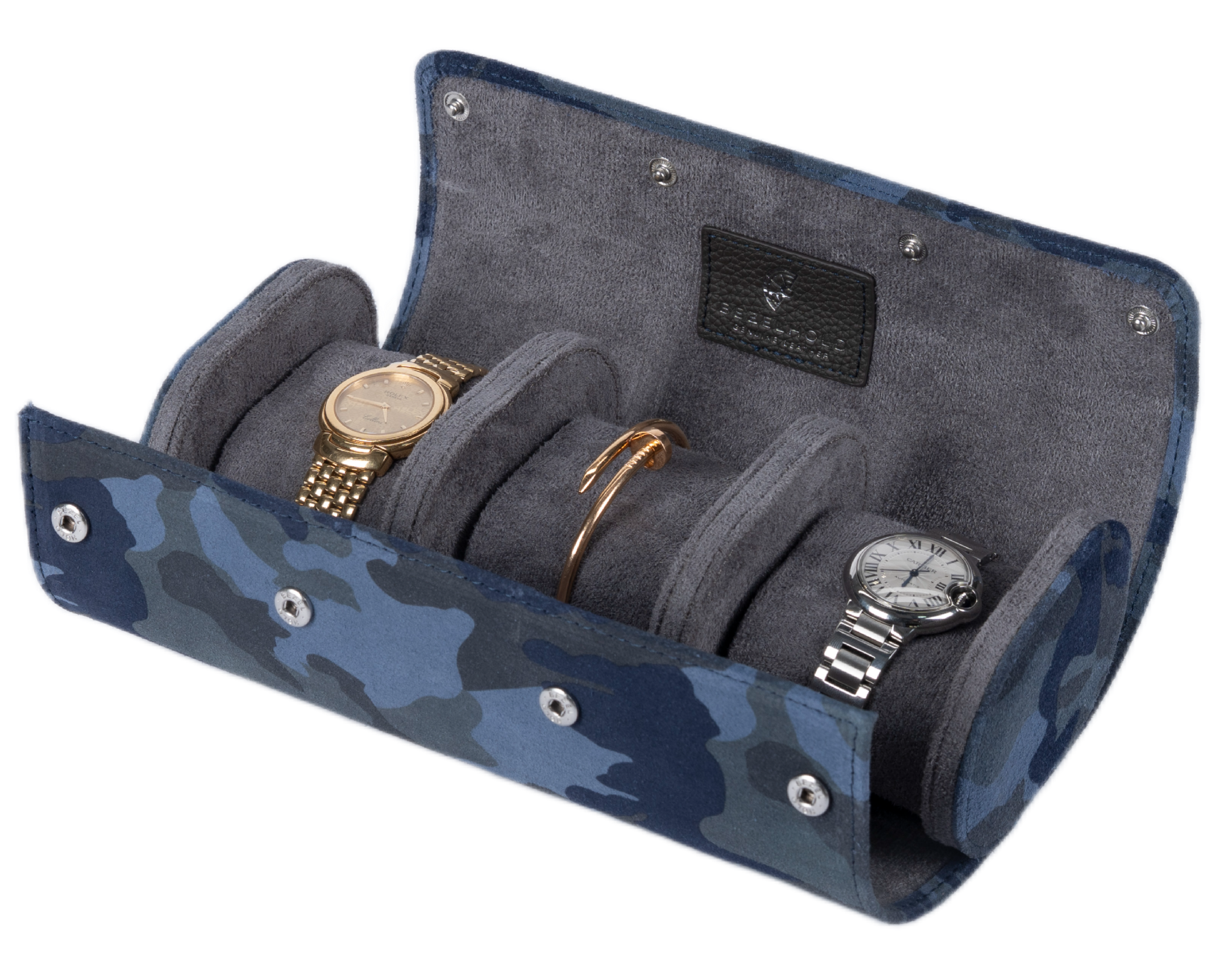
A watch roll is a modern, travel-oriented storage solution. Originally taking the form of canvas pouches that literally rolled up, today's premium watch rolls are structured, cylindrical, or hexagonal cases. They typically hold between one and three watches on a continuous (or individually divided) padded cushion. The exterior is usually wrapped in high-grade leather, while the interior is lined with soft materials like suede or microfiber to prevent scratches.
1. Portability and Travel-Readiness
The most significant distinction between these two storage methods is portability.
A watch box is fundamentally designed to be stationary. Its bulky, rectangular shape, heavy materials (like solid wood), and fragile components (like a glass display lid) make it entirely unsuited for travel. Attempting to pack a six-slot watch box into a carry-on suitcase would take up half your luggage space and risk shattering the glass.
In stark contrast, a watch roll is engineered specifically for life on the move. Its compact, aerodynamic shape allows it to slip effortlessly into a backpack, briefcase, or weekend duffel bag. A well-designed watch roll absorbs the shocks and vibrations of transit, ensuring that whether you are flying across the world or commuting to a weekend getaway, your spare timepieces arrive in pristine condition.
2. Display and Visibility
If your primary goal is to admire your collection while you get dressed in the morning, the watch box is the clear winner.
The glass-top design of a traditional watch box transforms your collection into a personalized museum exhibit. It allows you to view all your watches simultaneously, making it easy to select the perfect piece to match your outfit. It also serves as a beautiful piece of room decor, showcasing your passion for horology to anyone who visits your home.
A watch roll, on the other hand, prioritizes protection over display. Because it is designed to be fully enclosed for travel, the watches are hidden from view when the roll is snapped shut. While pulling a beautifully crafted leather roll from your bag is a luxurious tactile experience, it does not offer the at-a-glance visibility of a display box.
3. Storage Capacity and Scalability
As a general rule, watch boxes are built for larger, growing collections, whereas watch rolls are designed for curated selections.
Watch boxes can be incredibly expansive. It is common to find boxes that hold 8, 10, 12, or even 24 watches. If you are a prolific collector who rarely sells pieces and continually adds to your rotation, a large watch box is the most space-efficient way to house your entire inventory in one place.
Watch rolls are intentionally limited in capacity to maintain their portability. The most common sizes accommodate one, two, or three watches. This makes a watch roll ideal for the "core collection" you want to travel with—perhaps a diver for the pool, a dress watch for dinner, and a GMT for the flight.
4. Protection Mechanisms
Both options protect your watches, but they defend against different threats.
A watch box excels at environmental protection. By sitting stationary on a desk, it acts as a fortress against dust, moisture, and accidental spills in the home. The individual slots ensure the watches never touch each other, preventing the dreaded "bracelet rash" (scratches caused by metal rubbing against metal).
A watch roll must provide dynamic protection. High-quality rolls feature rigid outer shells to protect against crushing weight in a suitcase. Crucially, the Best Watch Roll will feature interior rigid dividers. Without these dividers, watches in a cylindrical roll can slide laterally and smash into one another during transit. A premium roll locks each watch firmly into its own isolated sector, offering shock absorption and compression resistance that a stationary box simply doesn't need to provide.
5. Discretion and Security
Security is a major concern for anyone collecting luxury timepieces.
A large watch box sitting on a bedroom dresser is a conspicuous target. It immediately advertises the presence of valuable items to anyone who enters the room, from houseguests to potential intruders. If you want to secure a large watch box, you typically need a specialized, heavy-duty home safe large enough to accommodate its bulky dimensions.
A watch roll offers a masterclass in discretion. To the untrained eye, a sleek leather cylinder looks like a high-end toiletry bag or a case for sunglasses. More importantly, its compact size means it can easily be locked inside a standard hotel room safe or a small concealed wall safe at home, providing ultimate peace of mind when you are away.
How to Choose: Why Not Both?
Ultimately, the choice between a watch box and a watch roll does not have to be mutually exclusive; in fact, for most serious collectors, they serve entirely complementary roles.
A watch box is the permanent home base for your collection. It is where your watches rest, stay free from dust, and are proudly displayed when you are at home. However, the moment you step out the door for a business trip, a wedding, or a vacation, that box becomes useless.
If you ever plan to take more than the watch on your wrist outside of your house, you need a dedicated travel solution. Investing in a premium watch roll ensures that the timepieces you choose to take with you are treated with the exact same level of care, security, and luxury as they are when resting in their box at home.
Conclusion
Understanding the distinct purposes of a watch box and a watch roll is a rite of passage in the collecting journey. While the box offers unmatched display and capacity for your home, the watch roll provides the essential portability, dynamic protection, and discretion required for the modern, active lifestyle. By integrating both into your routine, you guarantee that your mechanical treasures are protected, no matter where life takes you.

コメントを書く
このサイトはhCaptchaによって保護されており、hCaptchaプライバシーポリシーおよび利用規約が適用されます。