

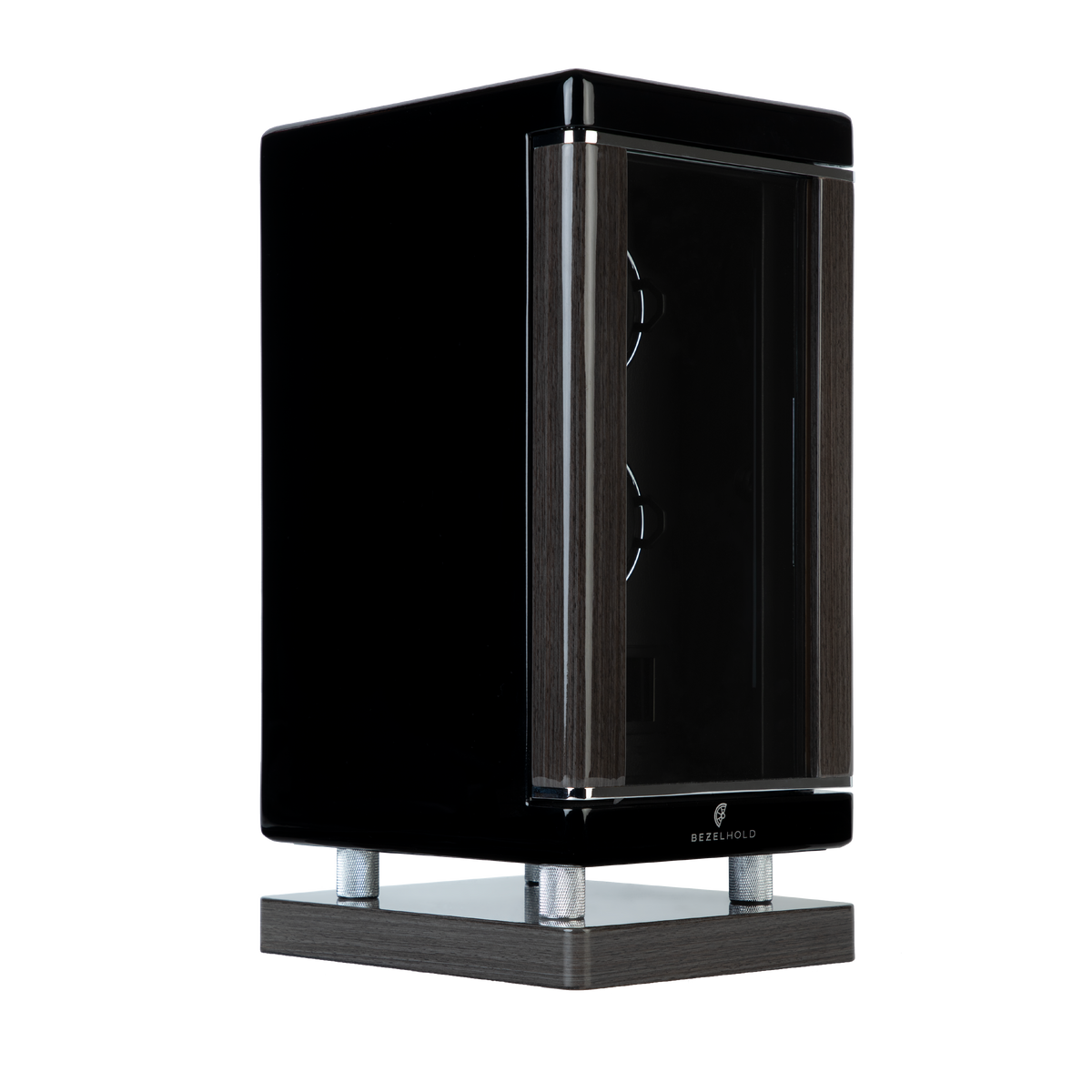
The Best Watch Winders for 2026: Quiet, Reliable, and Built for Collectors
If you own an automatic timepiece, you already know that mechanical watches are more than simple instruments of utility—they are marvels of micro-engineering, patience, and horological artistry. Whether your rotation includes a classic Rolex Submariner, an Omega Speedmaster, or a perpetual calendar from Patek Philippe, keeping these intricate movements running smoothly is essential.
As collections grow, so does the frustration of picking up a stopped timepiece on a busy morning, unscrewing the crown, resetting the hands, and realigning complex complications.
Finding the best watch winder in 2026 is no longer just about finding a motorized box that spins your watch. Today’s discerning US collectors demand whisper-quiet Japanese motors, anti-magnetization shielding, customizable turns-per-day (TPD) settings, and exterior designs worthy of fine luxury cabinetry.
In this comprehensive guide, we explore what defines a top-tier winder, why precision engineering matters for modern mechanical calibers, and how the right storage solution safeguards your timepieces for generations.
Why a Dedicated Watch Winder Is Essential for Automatic Timepieces
An automatic watch relies on a weighted internal rotor that pivots with the natural movement of your wrist, winding the mainspring to store kinetic energy. When a watch sits static inside a standard jewelry drawer or safe, its power reserve—typically between 38 to 72 hours—eventually depletes, bringing the balance wheel to a halt.
While letting a simple three-hand watch stop does minimal harm, letting watches with complications sit idle creates distinct challenges:
-
Protecting Complications: Annual calendars, perpetual calendars, moonphases, and GMTs require meticulous recalibration once stopped. Forcing date wheels or rapid-advancing settings during the caliber's “danger zone” (often between 9:00 PM and 3:00 AM) can shear delicate gear teeth. A dedicated winder keeps these complications continuous and synchronized.
-
Lubricant Viscosity: Modern horological oils (such as Moebius synthetic lubricants) are engineered to resist congealing. However, gentle, regular motion ensures oils stay distributed evenly across jewel bearings, escapement pallets, and pivots, reducing startup friction.
-
Everyday Convenience: For collectors who rotate between multiple watches throughout the workweek or weekend travels across the US, a reliable winder ensures your favorite piece is ready to wear at a moment’s notice—wound, accurate, and ready for your wrist.
Key Features to Look for in the Best Watch Winders in 2026
When evaluating watch winders designed for luxury timepieces, avoid budget, mass-market units that spin continuously without pauses. Precision mechanical movements require thoughtful calibration.
1. Ultra-Quiet Motor Technology (Mabuchi & Brushless Motors)
A quality winder should be seen, not heard. Many collectors place their winder setups in primary bedrooms, executive home offices, or walk-in dressing suites. Look for units powered by Japanese Mabuchi motors or brushless direct-drive motors equipped with sound-dampening gearboxes. In 2026, premium winders operate at sound thresholds below 10 decibels—virtually silent to the human ear.
2. Independent, Programmable TPD (Turns Per Day)
Every mechanical movement has specific winding requirements established by its manufacturer:
-
Turns Per Day (TPD): Most calibers require between 650 and 950 TPD. Over-winding isn’t a direct risk because automatic watches feature a slipping-clutch bridal spring mechanism. However, running a watch excessively puts unnecessary wear on internal winding pinions.
-
Directional Settings: Some calibers wind unidirectionally (clockwise only, such as calibers based on the Valjoux 7750), while others require counter-clockwise or bi-directional rotation (such as modern Rolex calibers 3135 and 3235). Independent rotation programming ensures each watch receives its exact factory-specified motion.
3. Magnetic Shielding
High-end mechanical watches are susceptible to magnetic fields emitted by electrical appliances, laptop hinges, and unshielded electric motors. Magnetization pulls the delicate hairspring coils together, causing the balance to oscillate erratically and the watch to gain minutes per day. The best watch winders feature shielded motor housings and strategic physical separation between the drive unit and the watch chamber.
4. Adaptable, Watch-Safe Cushions
Nothing ruins the collector experience faster than a rigid plastic watch clip that scratches a polished stainless steel clasp or stretches out an exotic alligator leather strap. Look for ergonomic, soft-touch cushions engineered with adaptive memory foam or adjustable spring tension. They should securely hold petite 34mm dress watches and substantial 44mm+ sports chronographs without putting tension on the bracelet links.
Why US Collectors Turn to BezelHold Watch Winders
Built with an uncompromising focus on artisanal craft and engineering integrity, BezelHold Watch Winders have established themselves as an industry benchmark for luxury collectors across the United States.
+-------------------+---------------------------------------------------------+
| Feature           | BezelHold Engineering Benchmark                         |
+-------------------+---------------------------------------------------------+
| Motor             | Ultra-quiet, low-draw Japanese Mabuchi motors           |
| Shielding         | Multi-layer magnetic shielding protecting balance coils |
| Controls          | Touchscreen/Independent TPD & directional settings      |
| Materials         | Hand-selected solid hardwoods, fine leather, glass      |
| Cushion Fit       | Modular, non-abrasive memory cushioning (34mm to 48mm)   |
| Power Flexibility | Dual AC adapter (US 110V-240V) and battery backup       |
+-------------------+---------------------------------------------------------+
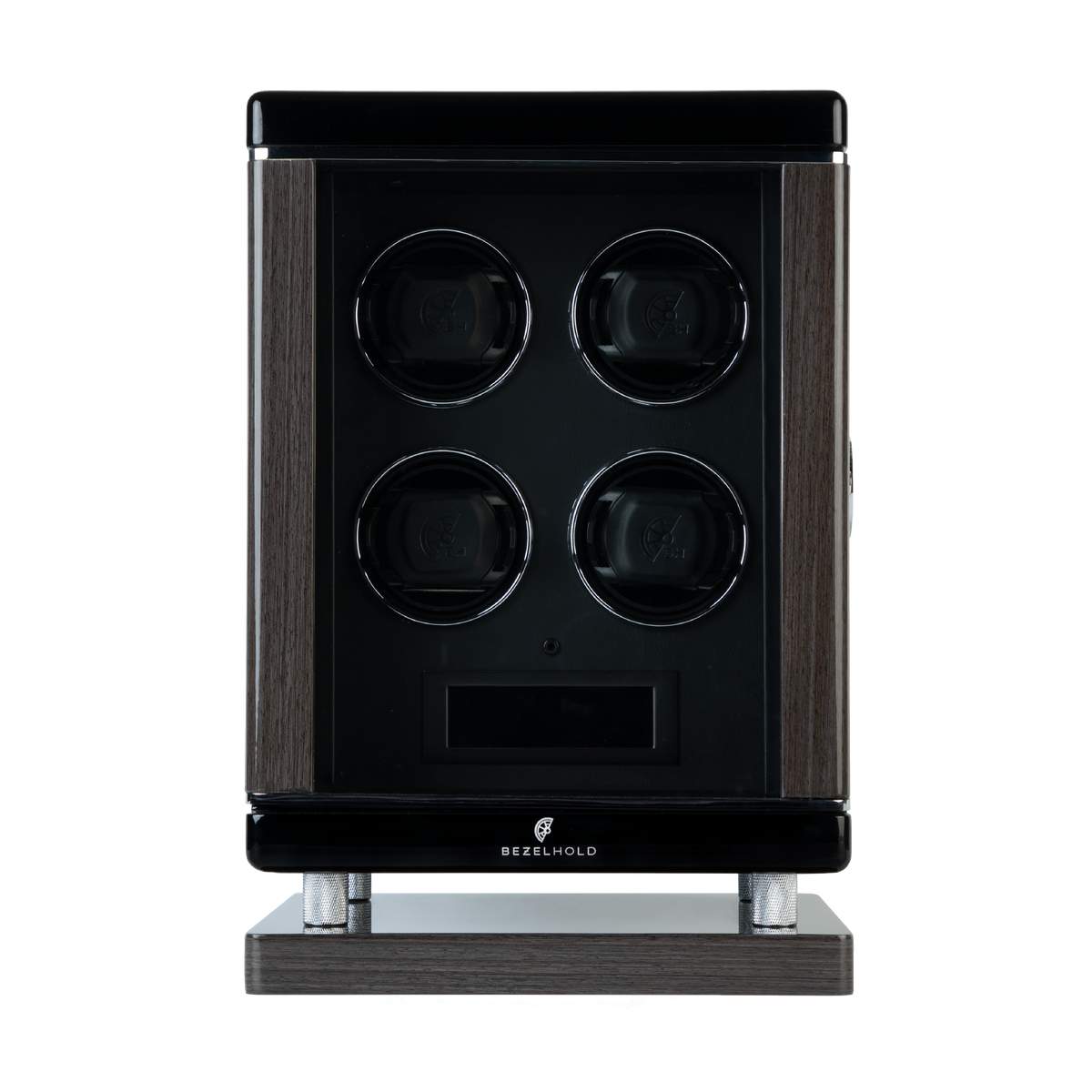
Rather than treating a winder as an electronic appliance, BezelHold approaches winder design as an extension of high-end horology. Finished with high-gloss lacquers, genuine leather linings, and solid glass viewing windows, these winders elevate any credenza, bedside table, or safe interior.
Whether you need a sleek single-unit winder for your signature daily timepiece or a multi-rotor cabinet capable of maintaining a diverse, multi-complication collection, BezelHold delivers the reliable, silent motion your calibers deserve.
Best Practices: Caring for Your Watch and Winder
To ensure both your automatic timepieces and your winding unit perform reliably over years of service, follow these essential maintenance tips:
-
Check Your Movement Specs: Before placing your watch on a winder, consult the manufacturer manual or horological databases to identify whether your caliber winds clockwise, counter-clockwise, or bidirectionally, as well as its recommended TPD.
-
Never Insert or Remove a Watch While Rotating: Always pause or switch off the rotation cycle before seating or extracting the watch cushion. Removing a running rotor can strain the internal drive gears.
-
Power with Clean Electricity: For US households, connect your winder using a surge protector or reputable surge-protected power strip to safeguard internal motor control boards from unexpected voltage spikes.
-
Give Watches a Natural Rest Cycle: Superior winders incorporate timed rest intervals throughout a 24-hour cycle. This mimics realistic wrist wear, allowing the mainspring to uncoil slightly rather than staying permanently at maximum tension.
Elevate Your Watch Collection in 2026
Your watch collection represents a dedicated pursuit of precision, history, and personal milestones. Housing your timepieces in an uncalibrated, noisy winder risks both your peace of mind and the accuracy of your movements.
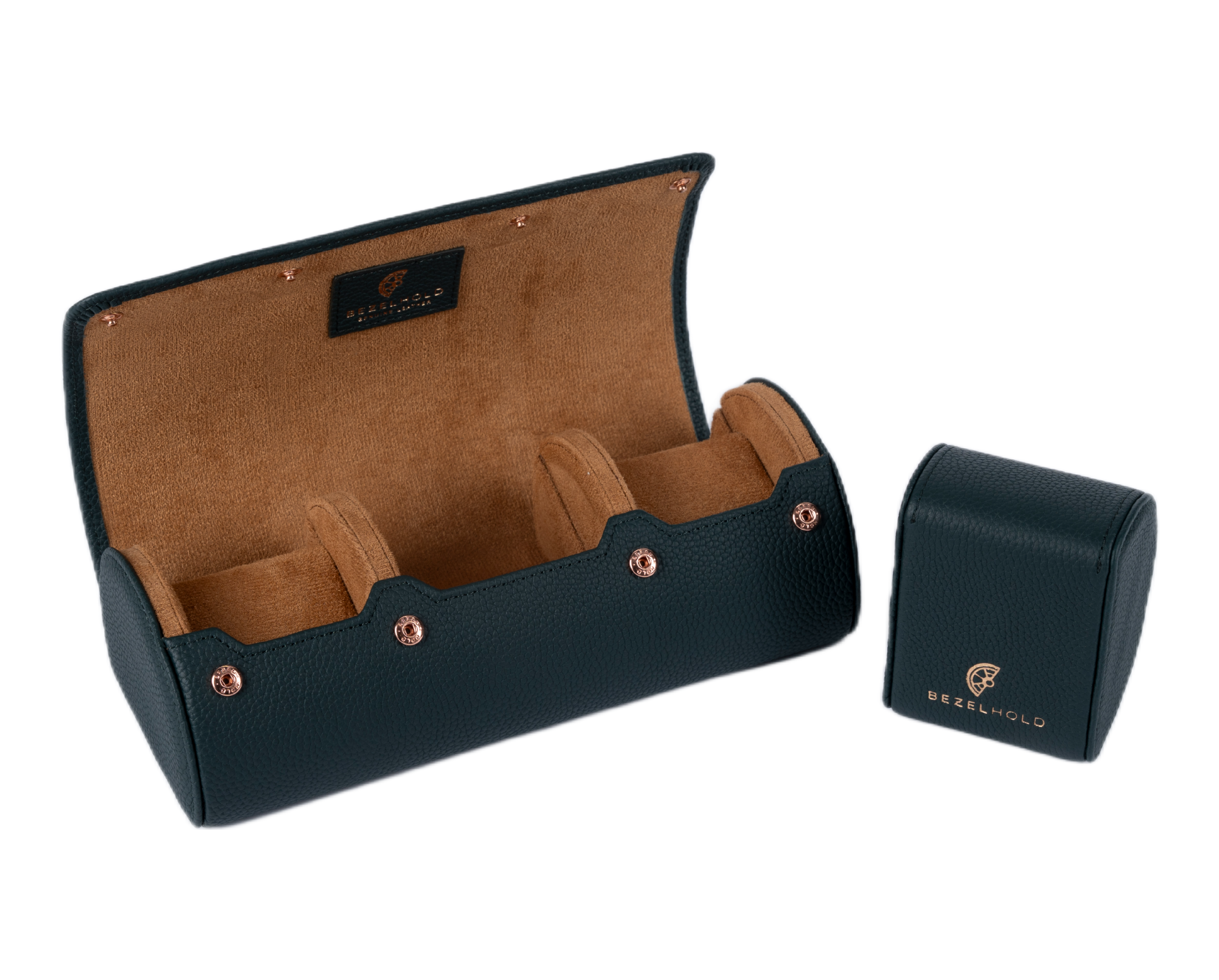
When choosing the best watch winder in 2026, invest in a system that balances mechanical protection with sophisticated aesthetic design. Explore the curated selection of single, double, and multi-piece automated winders at BezelHold's Watch Winder Collection and give your timepieces the home they truly deserve.

コメントを書く
このサイトはhCaptchaによって保護されており、hCaptchaプライバシーポリシーおよび利用規約が適用されます。